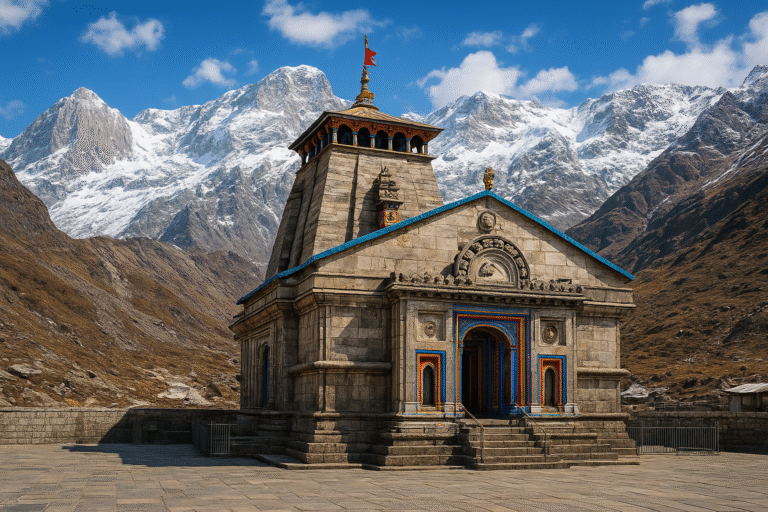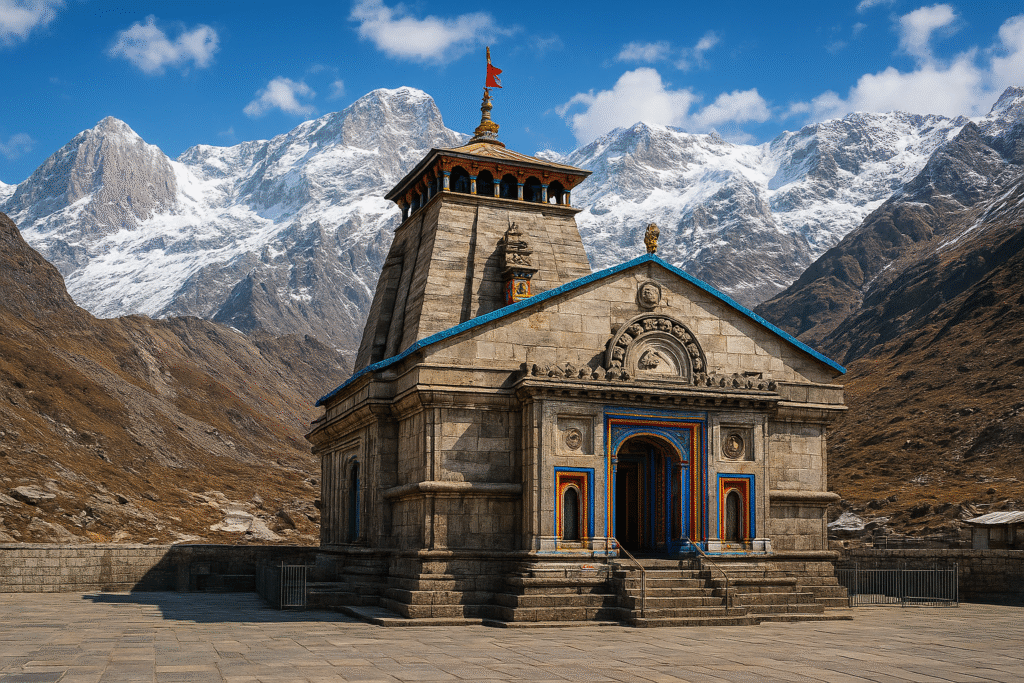

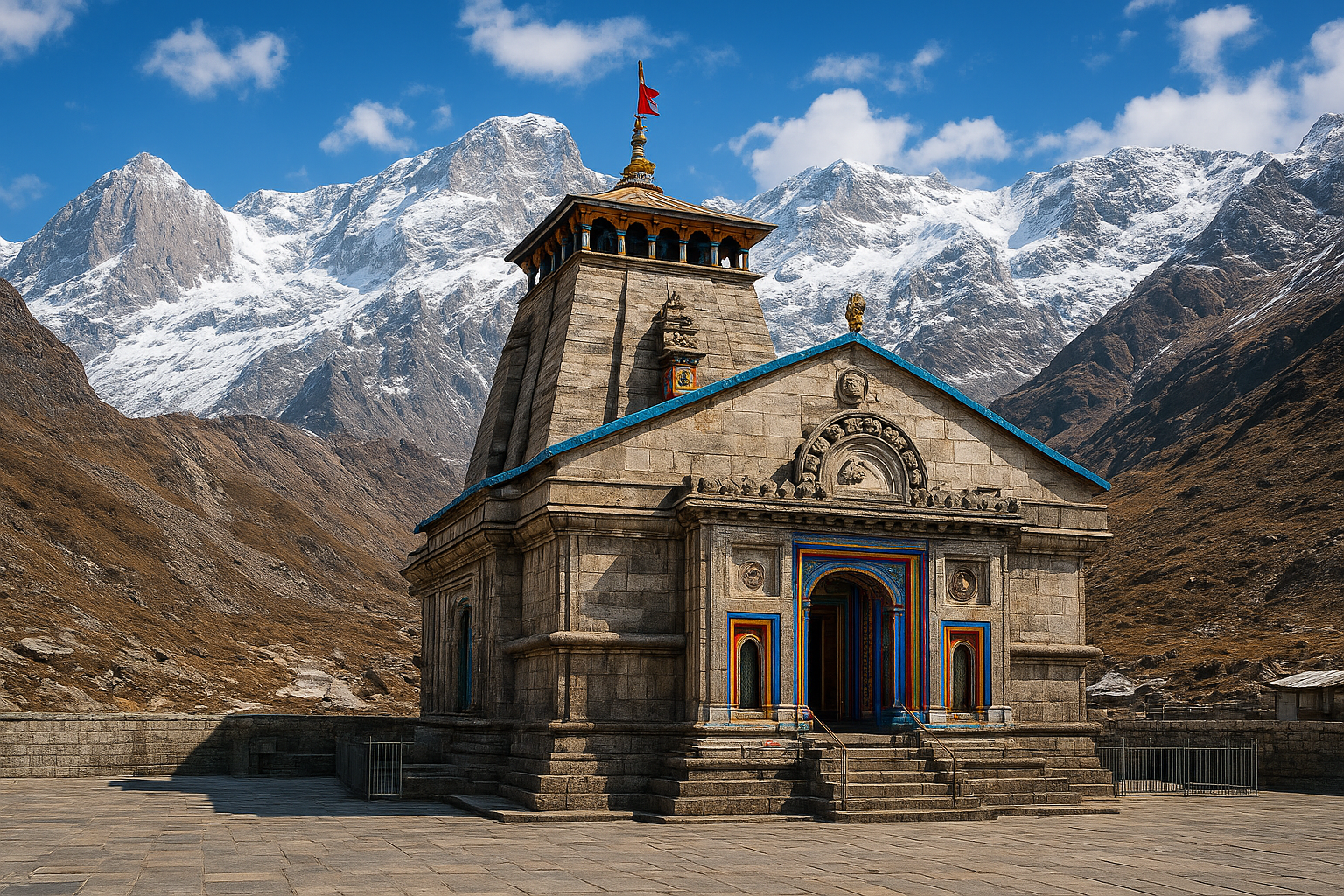
Perched high in the Garhwal Himalayas of Uttarakhand, the Kedarnath Temple is an extraordinary destination of faith, nature and inner transformation. At an elevation of around 3,580 metres (11,750 feet) above sea level, it stands as one of the holiest shrines dedicated to Lord Shiva — and one of the twelve Jyotirlingas. Wikipedia+1 For anyone travelling with intention — whether spiritual, cultural or personal‑growth oriented — this sacred site offers more than an iconic photo: it offers an experience of visiting one of the most historic hindu temple.
In this long‑form article tailored for your platform, we will explore the myth & legend, the architecture & setting, the journey (how to reach & when), practical traveller tips, and the deeper significance of visiting Kedarnath — all with the tone of an empowered, community‑driven platform voice rather than the single “I” voice. This article is designed for your site as a pillar‑style piece that adds authority and human connection.
Mythology & Spiritual Significance
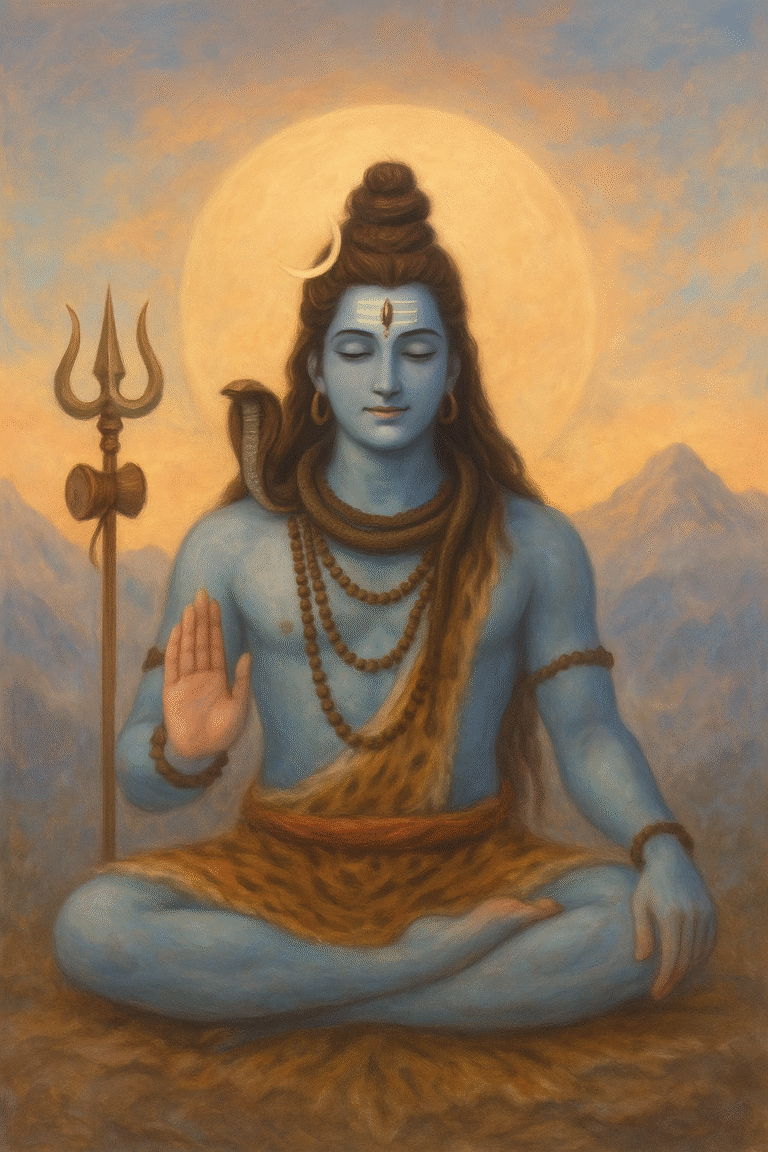
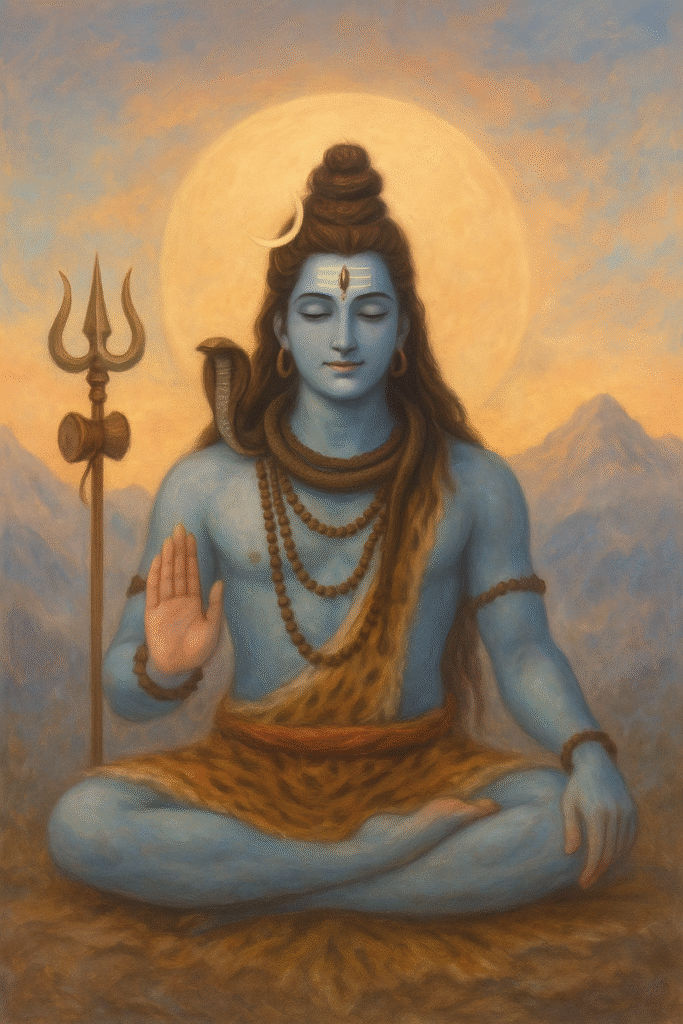
The story of Kedarnath is woven deeply into Hindu myth and pilgrimage tradition. According to legend: after the great battle of the Mahabharata, the Pandavas, wracked with guilt for the death and destruction, sought the forgiveness of Lord Shiva. Shiva, unwilling to absolve them, disguised himself as a bull and fled to Garhwal. The Pandava Bhima caught hold of the bull’s hump above the ground; that hump remained at the site now called Kedarnath. Encyclopedia Britannica+1
Thus, the temple is part of the famed “Panch Kedar” circuit (five temples each associated with a body part of Shiva). For Kedarnath itself, it is the hump. Encyclopedia Britannica+1 Further, it is recognized as one of the twelve Jyotirlingas — shrines where Lord Shiva is believed to have manifested as light. Uttarakhand Tourism+1
What does this mean for the traveller? Arriving at Kedarnath becomes more than a physical journey — it becomes a symbolic act of seeking forgiveness, of redemption, of aligning with something greater than the self. For a platform like yours, you can frame the pilgrimage as an inner journey: the high altitude, the uphill climb, the rigorous terrain mirror the internal climb of growth, resilience and awakening.
Architecture & Setting
The physical setting of the temple is as dramatic as the myth. It is situated on a wide plateau, flanked by towering snow‑capped peaks, above the glacial valley of the Mandakini River. Badrinath Kedarnath Temple Committee+1
Key architectural features:
-
Constructed of massive grey stone slabs, interlocked without mortar, secured with iron clamps — a technique that demonstrates ingenuity in harsh mountain conditions. Encyclopedia Britannica+1
-
The temple’s form is of the Nagara (North Indian) style with a conical shikhara (spire) rising above the sanctum (garbhagriha). Encyclopedia Britannica+1
-
Inside the sanctum is the “svayambhu” lingam (self‑manifested form of Shiva) in the form of a rough rock/hump (per the legend) — the central focus of worship. Badrinath Kedarnath Temple Committee
-
The orientation is north‑south (less common for Hindu temples which often face east) which may reflect adaptation to the terrain. Encyclopedia Britannica
The architecture and setting together create a sense of raw, elemental energy: you feel the weight of the mountain, the chill of high altitude, the thin air, the sacred vibration of the site. For your audience, emphasise that this is not a casual temple visit — it is a climb, an entry into nature’s austerity, a deliberate act of stepping out of comfort.
How to Reach Kedarnath & Practical Journey Details
Reaching Kedarnath is part of the pilgrimage: the journey itself shapes the experience.
Access Points & Modes
-
The standard approach starts from the town of Gaurikund, which is the final motorable point. From Gaurikund one must trek approximately 15–17 km uphill to Kedarnath. Wikipedia+1
-
Helicopter services are available from Phata, Guptkashi and other nearby points for those preferring aerial access (weather permitting). Encyclopedia Britannica+1
-
The nearest major rail station is Rishikesh (or Haridwar) and the nearest airport is Jolly Grant (Dehradun). From there you travel by road to Gaurikund / Sonprayag. Badrinath Kedarnath Temple Committee
Opening Season
-
The temple typically opens around late April / early May (on the festival of Akshaya Tritiya) and closes around October / November (Kartik Purnima) before heavy snow sets in. Rudraprayag Government+2Badrinath Kedarnath Temple Committee+2
-
For example, the 2025 seasonal closure was officially on 23 October 2025. The Times of India
Trek Experience & Conditions
-
The trek from Gaurikund to the temple (15‑17 km) is uphill, sometimes steep, with altitude and weather adding difficulty. Many pilgrims describe it as a test of physical and mental endurance. Tripadvisor
-
Terrain can be slippery (especially in monsoon), trails may be narrow, weather unpredictable.
-
Altitude may affect some; acclimatisation, hydration, rest are important.
Traveller Tips
-
Carry warm and waterproof clothing even in summer: mountain weather changes fast.
-
Wear sturdy trekking shoes, carry rain cover, trekking poles if needed.
-
Start early to avoid afternoon weather changes.
-
Keep flexible planning — delays (weather/roads) are possible.
-
Respect the sacredness: queue patiently, no loud behaviour, mindful of other pilgrims.
For your platform, this is a perfect place to integrate a checklist (gear, health tips, packing list) and make the journey accessible while maintaining reverence.
Best Time to Visit & Seasonal Considerations
Ideal windows:
-
Late April to early June: Post‑snow melt, before heavy monsoon, clear skies, moderate weather — often the preferred time. Chardham Tours+1
-
Mid‑September to early November: Post‑monsoon, crisp air, clear visibility, fewer crowds — another excellent window. Chardham Tours
-
Monsoon (July to mid‑September): Green, lush, dramatic — but risk of landslides, trail disruptions, heavy rain. Badrinath Kedarnath Temple Committee+1
-
Winter (November to April): The temple site is closed; heavy snow blocks access. The deity is shifted to the winter abode at Ukhimath. Wikipedia
Crowds & Comfort
-
Peak season (May–June, and just after) sees large pilgrim numbers; plan accommodation and bookings accordingly.
-
Off‑peak but still open windows (September‑October) offer more solitude, stronger nature experience, and often better photography conditions.
Altitude & Health
Since Kedarnath is high altitude, even in “good” weather conditions you may feel cold, breath thinner, energy dip. Be mindful: acclimatise, don’t rush.
For your readership you can emphasise choosing the time that aligns with their goals: are they in for adventure? photography? deep meditation? family friendly? Each timing aligns differently.
Why Visit & The Deeper Value
Visiting Kedarnath is far more than checking a pilgrimage destination off a list. For your platform’s growth orientation, highlight these deeper values:
-
Spiritual transformation: The climb, the wait, the elements — all act as metaphor and reality of pushing boundaries, surrendering, connecting with something bigger.
-
Nature & Immersion: The Himalayas are not just scenic — they are raw, elemental, demanding respect. This setting is a powerful reminder of humility, wonder, awe.
-
Community & Shared Intention: Thousands gather each season in shared devotion, across backgrounds. Your platform voice can invite readers into that community — “join the journey”, “share your story”, “be part of the collective”.
-
Cultural Heritage & Storytelling: The temple stands through centuries, legends, disasters (for example the 2013 floods) and human devotion. Its survival is a story of resilience. Wikipedia
-
Personal Growth Lens: Frame the pilgrimage as a mirror: the mountain is tall, the path is steep, you might falter — but you rise, you breathe, you arrive. On your platform, this can tie to themes of self‑improvement, courage, faith, transformation.
Practical Tips & Checklist
-
Gear Essentials: Waterproof jacket, warm layers (fleece, down), trekking shoes with good grip, gloves, hat, sunscreen, sunglasses, water bottle, energy snacks.
-
Health & Safety: Stay hydrated, avoid alcohol, keep pace moderate, watch for altitude effects (headache, fatigue). Consult doctor if needed.
-
Accommodation & Permits: Book early in peak season. Check local regulations, Yatra registration if applicable.
-
Respect & Awareness: Dress modestly, follow queue/order in temple, avoid littering, respect nature and local customs.
-
Weather & Flexibility: Pack for cold even in “summer”, expect delays, carry extra days.
-
Budgeting: High altitude sites mean higher costs for lodging, transport; be prepared.
-
Photography & Phones: Battery drains faster in cold; carry power bank. Early morning and late afternoon offer best light.
-
Mindset: View the hike as part of the pilgrimage. Arrive with openness rather than checking off tasks.
Conclusion
The Kedarnath Temple in Uttarakhand is far more than a destination — it is a journey. A journey through legend, mountain, time, devotion, and inward growth.